Shandong Meihuayuan Industry Co.,Ltd
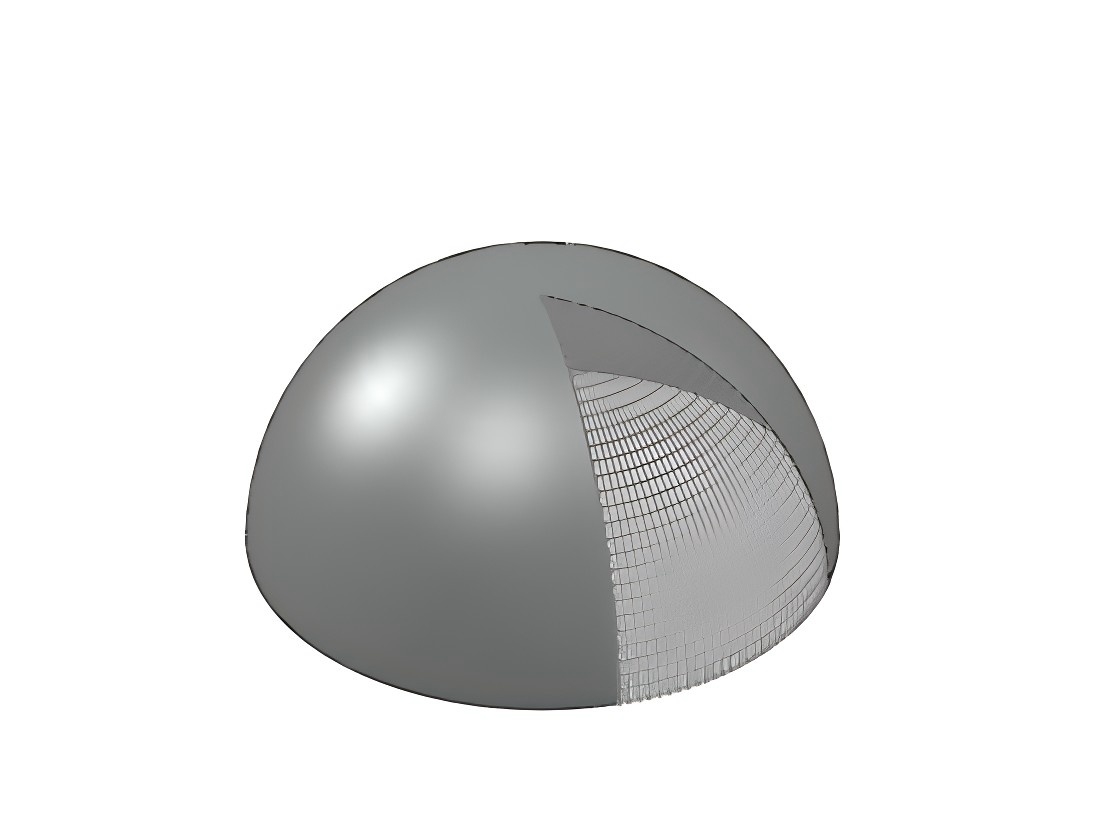
The Critical Role of Sanitary Stainless Steel Tank Heads in Food Processing
Upload Time:
Dec 13, 2025
Tank heads, as critical components directly contacting the product, must use sanitary grade stainless steel
The Critical Role of Sanitary Stainless Steel Tank Heads in Food Processing
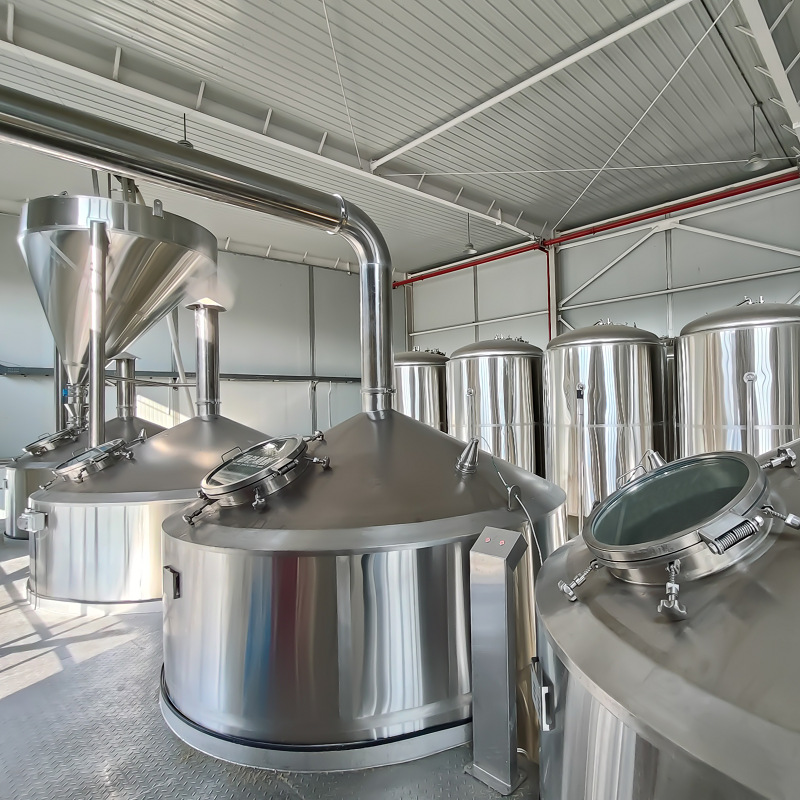
Why Standard Tank Heads Are Unsuitable for Food Processing
In the industrial sector, pressure vessels and storage tanks often utilize carbon steel or standard industrial-grade stainless steel heads. However, these standard heads present critical flaws in a food processing environment:
1. The Surface Roughness Problem
Standard heads often have a high surface roughness . Rough surfaces create microscopic valleys and crevices—ideal spots for bacteria, microorganisms, and contaminants to hide and cultivate biofilms.
2. Welding Defects and Dead Legs
Industrial-grade welding can contain pores or cracks, and the design may inadvertently create "dead legs" or areas that are difficult to clean. This severely hampers the efficiency of the CIP (Clean-In-Place) process.
3. Material Grade Inconsistencies
Industrial heads might use non-food-grade 304 or 316 stainless steel, or lack strict material traceability certification.
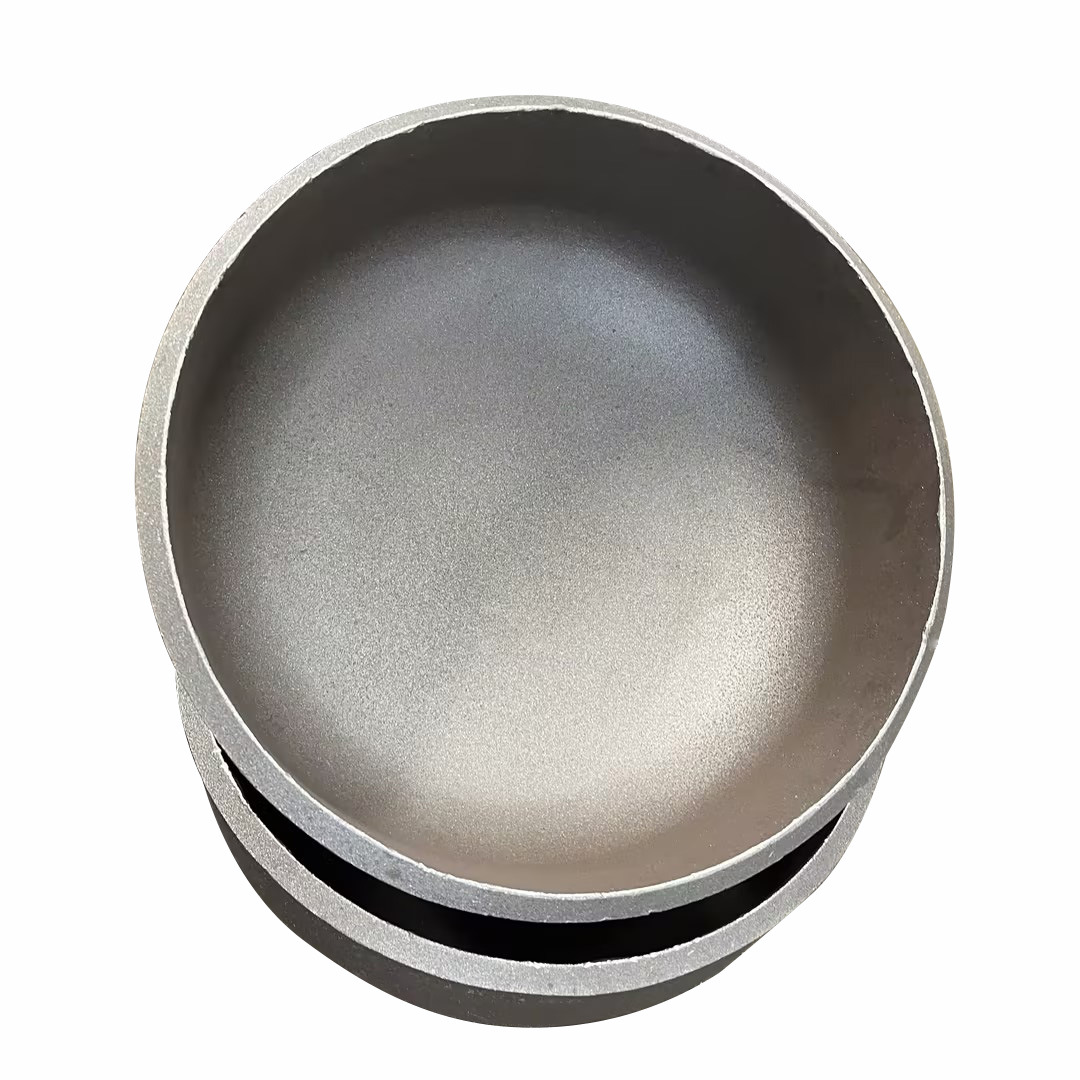
Core Advantages of Sanitary Stainless Steel Tank Heads
Sanitary Grade heads are specifically engineered for the food, beverage, dairy, and pharmaceutical industries, with design and manufacturing standards far exceeding general industrial requirements.
1. Superior Surface Finish
Sanitary heads typically require an extremely low surface roughness, often Ra < 0.8 um m(or 32 Ra micro-inch).
-
Mirror Polishing: The internal product-contact surface is usually mechanically or electropolished to achieve a mirror-like finish.
-
Eliminating Attachment Points: The smooth surface makes it difficult for microbes to attach and grow, significantly reducing the risk of cross-contamination.
2. 316L Stainless Steel is the Preferred Choice
While 304 stainless steel is common, 316L stainless steel is preferred in sanitary applications.
-
Corrosion Resistance: 316L contains Molybdenum, offering superior resistance to chlorides and acidic media, which is crucial for handling cleaning agents (like chlorine-based sanitizers) and acidic foods (like fruit juices or fermented products).
-
The 'L' Grade: The low-carbon version mitigates the risk of carbide precipitation during welding, ensuring corrosion resistance is maintained at the weld seams.
3. Aseptic Design and Cleanability
Sanitary head designs are focused on maximizing cleanability, supporting efficient CIP systems.
-
Elimination of Dead Zones: They utilize smooth, radius-based geometric transitions, such as standard 2:1 Elliptical Heads or Torispherical Heads, ensuring liquids and cleaning solutions drain completely without leaving residue.
-
Sanitary Welding: Manufacturing relies on continuous, defect-free automated orbital welding techniques to ensure smooth, flat internal weld seams.
-
Traceability: Professional manufacturers provide complete material traceability certificates (such as $MTR$ - Material Test Reports).
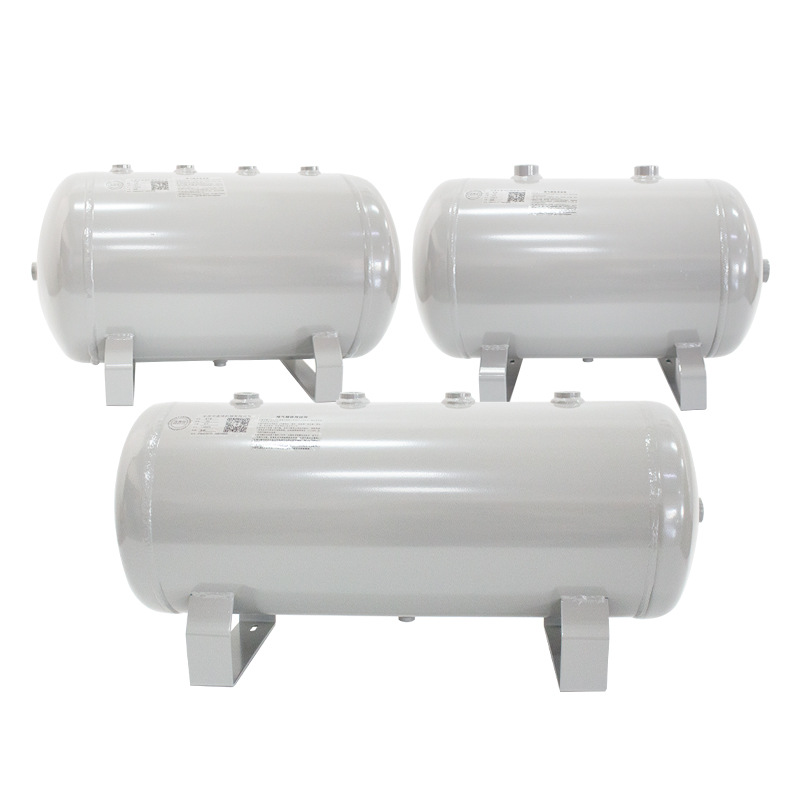
Choosing the Right Sanitary Head: Three Common Types
In food processing tanks, the most common sanitary head types include:
| Head Type | Key Advantage | Typical Applications |
| Torispherical (Dished) | Lower cost, structurally stable, easier to fabricate. | Low-pressure storage tanks, mixing vessels, utility tanks. |
| Elliptical ($2:1$) | More uniform stress distribution, suitable for medium to high pressure. | Beer fermenters, thermal retorts, process vessels. |
| Hemispherical | Highest pressure bearing capacity, but highest fabrication cost. | Extreme high-pressure reactors, very large high-pressure storage. |
For the food industry, the Elliptical (2:1) Head is often the first choice for medium to large vessels due to its excellent stress characteristics and optimal draining capabilities for cleaning.
Conclusion
Choosing sanitary stainless steel tank heads for food processing is more than just a manufacturing decision—it is a commitment to product quality and consumer health. Investing in high-quality, certified sanitary heads is the crucial step to ensure your processing equipment complies with strict regulations, optimizes cleaning efficiency, and ultimately protects your brand reputation.
Relevant News



Contact Us
34VW+XVP, Daiyue District, Taian, Shandong, China, 271025


